
PTSD Treatment at Zicra Mind
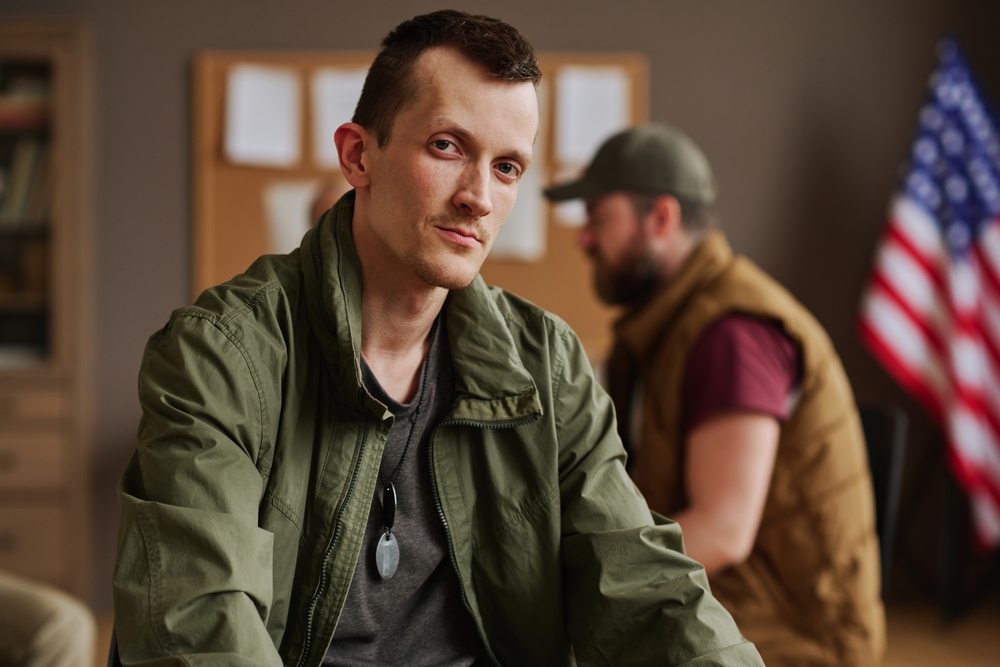 While post-traumatic stress disorder is virtually synonymous with military combat, anyone can develop PTSD after an overwhelming, scary, or dangerous experience. Serious accidents, childhood trauma, emotional abuse, natural disasters, sudden loss, or witnessing violence can all leave lasting effects on your mind and body.
PTSD often manifests in intrusive memories, avoidance, emotional numbness, or an inability to let your guard down, even when you’re not in danger. Teletherapy at Zicra Mind provides valuable insights into how trauma has affected you and why your brain responds the way it does.
Trauma Changes Your Brain
Any experience that profoundly frightens or endangers you can alter your ability to process stress. PTSD affects the amygdala, hippocampus, and prefrontal cortex – the brain regions that govern emotional regulation, memory, and threat detection. When these areas become dysregulated, your nervous system may remain in a heightened state of alert, unable to fully shift out of “fight-or-flight” mode and into “rest-and-digest” mode.
A defining symptom of PTSD is hypervigilance, or feeling constantly on guard, scanning for danger, or bracing for something bad to happen. This state is exhausting and can make everyday tasks feel overwhelming. However, it is your brain’s attempt to protect you after something profoundly distressing.
How Does PTSD Manifest?
PTSD symptoms typically fall into four categories, which may appear soon after a traumatic event or emerge months or years later.
Intrusive Memories
- Vivid, immersive, and unpredictable flashbacks
- Nightmares related to the trauma
- Sudden emotional or physical reactions to reminders
Avoidance
- Steering clear of places, people, or conversations connected to the trauma
- Changing your routines to escape distressing thoughts and memories
- Withdrawing from formerly enjoyable activities
Negative Thoughts and Mood
- Persistent guilt, shame, or self-blame
- Feeling detached or “shut down”
- Loss of interest in relationships or hobbies
Changes in Arousal and Reactivity
- Startling easily
- Trouble sleeping or concentrating
- Irritability, anger, or emotional volatility
- Heightened fear responses
More Than a Military Condition
There’s an enduring misconception that PTSD only affects military veterans. Anyone who has lived through something profoundly upsetting or frightening can develop PTSD.
PTSD is not about the type of event. It’s about how your nervous system responds to overwhelming stress.
Trauma can stem from:
- Childhood abuse or neglect
- Bullying or harassment
- Natural disasters
- Serious accidents
- Witnessing a loved one’s death
- Violent assault or threats
- Sudden, unexpected loss
- Physical, emotional, or financial abuse
Types of Trauma Responses
Trauma affects everyone differently. Two people can live through the same event and walk away with completely different emotional outcomes. Your response isn’t “more” or “less” valid – it’s merely your nervous system’s way of protecting you.
A formal clinical assessment will determine which diagnosis best fits your experience. Then, you can work with a trauma-informed therapist to unpack your responses and begin healing with a plan tailored to your needs.
Post-Traumatic Stress Disorder
Symptoms last longer than one month, including intrusive memories, avoidance, guilt, negative mood changes, and heightened reactivity.
Reactive Attachment Disorder/Disinhibited Social Engagement Disorder
These trauma-related conditions typically emerge in response to early childhood experiences.
Acute Stress Disorder
Similar symptoms to PTSD but occurring within the first month after trauma.
Adjustment Disorders
Emotional or behavioral symptoms triggered by a significant life change or stressor.
Complex PTSD
CPTSD can develop after long-term or repeated trauma, such as childhood abuse, chronic neglect, domestic violence, or emotionally abusive relationships. In addition to core PTSD symptoms, people may experience persistent shame, trust issues and emotional regulation challenges, while feeling detached from themselves or their surroundings.
The Advantages of PTSD Teletherapy
PTSD can make you feel unsafe, overwhelmed, and isolated. Telepsychiatry is an excellent approach for many trauma survivors because it lets you process your experiences at a manageable pace.
During virtual sessions, your clinician will use evidence-based techniques to help you:
- Understand how trauma has shaped your thoughts, emotions, and behaviors
- Identify your triggers and develop strategies to reduce their impact
- Practice grounding techniques to manage flashbacks or panic
- Rebuild routines that promote stability and predictability
- Challenge self-blame or distorted beliefs related to the trauma
- Explore lifestyle changes that support your long-term recovery
- Set and enforce boundaries
- Discuss medication options when appropriate
Why Telepsychiatry Works for Trauma Recovery
PTSD can make the idea of leaving your home seem overwhelming as crowded spaces, loud noises, and unfamiliar environments may trigger distress. Teletherapy removes these barriers by allowing you to meet with your clinician from a place where you feel safest.
You may benefit from a personalized PTSD treatment program if you have tried managing trauma on your own without a noticeable improvement. Telepsychiatry still requires your participation, but it makes the process more accessible, especially if your symptoms fluctuate unpredictably.
Virtual care offers:
- A familiar environment that reduces anxiety
- Flexible scheduling that supports consistency
- Privacy and comfort during emotionally difficult conversations
- A sustainable long-term treatment format
PTSD Treatment That Helps You Feel Safe Again
PTSD symptoms aren’t weaknesses or character flaws. They are your brain’s natural response to overwhelming stress. A therapist can help you change your patterns and develop routines that put you in control again.
Please call 724-605-4972 or connect with us online to schedule a consultation.
Frequently Asked Questions
What if I don't want to think or talk about what happened?
Do I need medication for PTSD?
Is PTSD permanent?
How can I know if I have PTSD, anxiety, or depression?
Does PTSD only develop after life-threatening events?
Can PTSD change how I react to everyday stress?
Ready to Get Started?
Call us at 724-605-4972 or request an appointment online to schedule your first PTSD teletherapy session with Zicra Mind.
